
Introduction
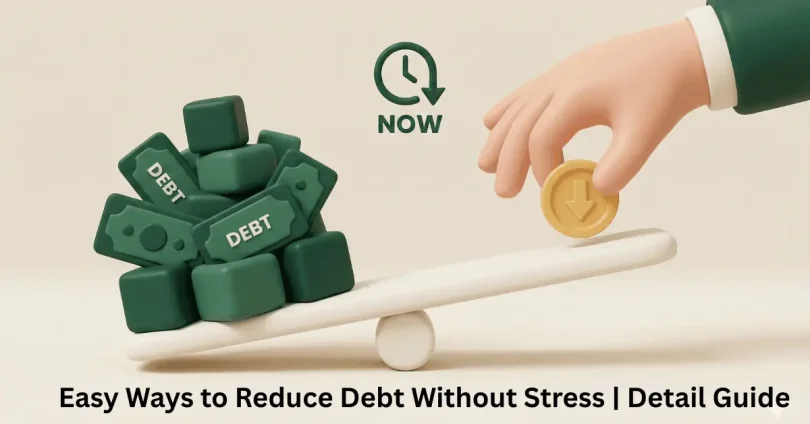
Debt can feel overwhelming, and for many people, it brings stress and sleepless nights. Whether it’s credit card debt, personal loans, or other financial obligations, managing debt effectively is crucial for financial freedom. The good news is that reducing debt doesn’t have to be stressful or complicated. With the right approach, you can make steady progress, regain control of your finances, and even save money along the way.
This article explores easy ways to reduce debt without stress. We will break down practical strategies for beginners and intermediate readers, helping you create a manageable plan that fits your lifestyle. From understanding what debt is to actionable steps, this guide covers everything you need to know. You will also learn common mistakes to avoid, potential risks, and expert tips to stay motivated throughout your journey.
What is Easy Ways to Reduce Debt Without Stress?
Reducing debt without stress means managing your financial obligations in a way that doesn’t overwhelm you emotionally or mentally. It focuses on creating a plan that is simple, actionable, and achievable. Instead of rushing or taking extreme measures, this approach emphasizes steady progress and financial control.
Debt reduction involves paying off borrowed money, including interest, while balancing living expenses, savings, and other financial goals. Easy ways to reduce debt without stress might include budgeting, debt consolidation, negotiating with creditors, or prioritizing certain payments. The key is to make small, consistent changes that gradually improve your financial situation without causing panic or anxiety.
Why is Reducing Debt Important?
Reducing debt is not just about money—it’s about peace of mind and financial freedom. Here are some reasons why it is important:
- Stress Relief: Debt can lead to mental and emotional stress. Paying it off gradually helps you feel secure and confident.
- Better Financial Health: Lower debt improves your credit score and increases your borrowing power for emergencies or big purchases.
- Savings Opportunities: By reducing interest payments, you free up money for savings and investments.
- Future Planning: Less debt means more financial flexibility for retirement, education, or other goals.
- Avoiding Penalties: Timely repayment reduces the risk of late fees, collection calls, or legal consequences.
Detailed Step-by-Step Guide
1. Assess Your Debt
Before making any payments, list all your debts. Include the amount owed, interest rate, minimum monthly payment, and due dates. This overview helps you prioritize payments and create a realistic plan.
Example:
- Credit Card A – $2,000 – 18% interest – $50 minimum
- Personal Loan – $5,000 – 10% interest – $150 minimum
2. Create a Budget
A budget is your roadmap to reduce debt. Track your income and expenses to see where you can cut costs. Allocate a fixed amount for debt repayment every month.
Tips for budgeting:
- Separate essential expenses (rent, groceries) from non-essential ones (entertainment).
- Use the 50/30/20 rule: 50% for needs, 30% for wants, 20% for debt and savings.
3. Choose a Debt Repayment Strategy
There are two popular methods:
- Debt Snowball: Pay off the smallest debt first while making minimum payments on others. Motivation comes from seeing debts eliminated quickly.
- Debt Avalanche: Pay off the debt with the highest interest first. This method saves more money in the long term.
Choose the strategy that suits your personality and financial goals.
4. Negotiate with Creditors
Contact your creditors to explore options like:
- Lowering interest rates
- Waiving late fees
- Setting up flexible payment plans
Many creditors prefer cooperation over defaults, so negotiation can reduce your stress and financial burden.
5. Consider Debt Consolidation
If you have multiple high-interest debts, consolidating them into a single lower-interest loan can simplify payments and reduce total interest.
Example: Using a personal loan to pay off multiple credit cards at 15% interest could lower your total monthly payment to a single, manageable amount at 10% interest.
6. Automate Payments
Automating payments ensures you never miss a due date. It helps avoid late fees and keeps your debt reduction plan on track without constant stress.
7. Cut Unnecessary Expenses
Identify areas where you can save money. Small cuts can be redirected to debt repayment:
- Limit dining out or takeout
- Reduce subscription services you don’t use
- Use public transportation instead of rideshare services
8. Increase Your Income
Extra income can accelerate debt repayment. Consider:
- Freelancing or side gigs
- Selling unused items online
- Taking overtime or part-time work
Even small amounts can make a significant difference over time.
9. Track Your Progress
Keep a visual tracker of your debt payments. Seeing progress, even small, motivates continued effort and reduces stress.
Benefits of Reducing Debt Without Stress
- Improved mental health and less anxiety
- Higher credit score
- More disposable income for savings and investments
- Better control over financial decisions
- Freedom to pursue personal goals without financial pressure
Disadvantages / Risks
- Slower repayment: Reducing debt gradually may take longer.
- Temptation to overspend: Without discipline, extra money may be spent instead of reducing debt.
- Interest accumulation: High-interest debts may grow if payments are minimal.
- Unexpected expenses: Emergencies can disrupt repayment plans.
Common Mistakes to Avoid
- Ignoring small debts—they add up over time
- Paying only the minimum and not tackling principal amounts
- Relying solely on credit for emergencies
- Failing to track spending or create a budget
- Skipping payments due to overconfidence in future income
FAQs
1. Can I reduce debt without cutting my lifestyle drastically?
Yes. By budgeting, prioritizing debts, and finding small areas to save, you can reduce debt without major lifestyle changes.
2. Should I pay off high-interest or low-balance debts first?
It depends. Debt avalanche (high-interest first) saves money, while debt snowball (low-balance first) boosts motivation.
3. Is debt consolidation safe?
Yes, if you choose a reliable lender and ensure the new loan has a lower interest rate than your current debts.
4. How much should I pay monthly to reduce debt effectively?
Aim to pay more than the minimum. Even an extra 10–20% can reduce repayment time significantly.
5. Can negotiating with creditors hurt my credit score?
Not usually. Negotiating payment terms or lowering interest rates does not harm your credit score if handled responsibly.
6. Is it okay to use savings to pay off debt?
Yes, but keep a small emergency fund. Paying off high-interest debt often outweighs the benefit of keeping large cash savings.
7. How long does it take to become debt-free?
It depends on the total debt, repayment amount, interest rates, and consistency. With a plan, even significant debt can be paid off in a few years.
8. Can I reduce debt while saving for retirement?
Yes. Allocate a small portion for savings while prioritizing high-interest debt. Balancing both is key.
Expert Tips & Bonus Points
- Automate payments to reduce stress
- Use apps or spreadsheets to track progress
- Avoid taking new loans while paying off existing debt
- Reward yourself for milestones to stay motivated
- Seek professional financial advice if overwhelmed
- Stay consistent, even with small payments, as consistency matters more than speed
Conclusion
Reducing debt doesn’t have to be stressful. With planning, discipline, and the right strategies, you can pay off debts efficiently while maintaining your peace of mind. Start by assessing your debts, creating a budget, and choosing a repayment strategy that suits your lifestyle. Automate payments, cut unnecessary expenses, and consider ways to increase your income to accelerate progress.