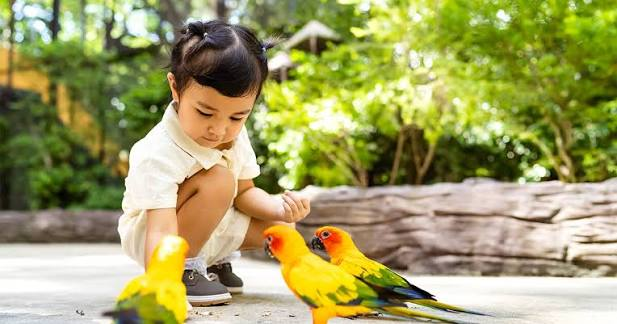

Learning about animals helps children understand the natural world and develop respect for living creatures. From observing birds in a garden to reading about wildlife in distant habitats, animal education introduces young minds to science, environmental awareness, and responsibility.
Children are naturally curious about animals. They often ask questions about how different species communicate, where they live, what they eat, and how they survive. Encouraging this curiosity can create valuable learning opportunities.
Developing Curiosity Through Animal Education
Animals provide excellent examples for introducing children to scientific ideas. Parents and teachers can explain basic concepts such as habitats, food chains, adaptation, and biodiversity.
For example, children can learn how birds use their beaks to collect food, why some animals have thick fur, and how aquatic species survive underwater.
These subjects become easier to understand when connected to real examples.
Books, educational videos, nature documentaries, and supervised outdoor observations can help children explore different animal groups.
Understanding Different Animal Habitats
Every animal has specific environmental requirements. Some species live in forests, while others inhabit deserts, grasslands, oceans, wetlands, or freshwater environments.
Teaching children about habitats helps them understand the relationship between animals and their surroundings.
Birds may build nests in trees, wetlands, or other suitable locations. Marine animals depend on healthy oceans, while many land mammals require access to vegetation and water.
Children can create habitat drawings or educational posters to remember these differences.
These projects combine art with scientific learning.
Learning About Birds and Their Behavior
Birds are among the easiest animals for children to observe in everyday environments. Gardens, parks, and open spaces often provide opportunities to notice different species.
Children can observe bird colors, movement patterns, feeding habits, and calls without disturbing them.
Duck species are particularly interesting because they are adapted to aquatic environments. Their webbed feet help with swimming, while their feathers provide insulation and water resistance.
Families interested in exploring animal-related topics can also discover creative resources such as Funny Duck Names, which introduce a playful way to engage children with animal themes.
Parents can use these activities to encourage storytelling, drawing, and language development.
Teaching Children About Responsible Pet Care
Learning about animals should also include understanding their needs.
Children should know that pets require nutritious food, fresh water, clean living spaces, regular health care, and appropriate attention.
Parents can explain why different species need different diets and environments.
For example, feeding a rabbit requires different nutritional considerations from feeding a dog or a bird.
Children should also learn that animals need rest and personal space. Touching or handling unfamiliar animals without adult supervision can create unnecessary risks.
These lessons encourage kindness and responsible behavior.
Understanding Wildlife Conservation
Wildlife conservation is an important subject for younger generations. Many animal populations face challenges related to habitat destruction, pollution, climate change, and illegal hunting.
Children can learn how everyday actions influence the environment.
Simple habits such as reducing plastic waste, keeping natural areas clean, saving water, and respecting wildlife contribute to environmental awareness.
Schools can organize recycling projects, nature walks, and classroom discussions about endangered species.
These experiences help children understand that protecting nature is a shared responsibility.
Fun Educational Activities About Animals
Animal education does not have to be limited to textbooks. Creative activities can make learning more memorable.
Some useful ideas include:
- Drawing animals and labeling their body parts.
- Creating posters about different habitats.
- Writing short stories about wildlife.
- Watching educational nature documentaries.
- Identifying common birds in nearby parks.
- Building simple animal-themed crafts.
- Comparing the diets of different species.
Families can also create imaginary animal characters and give them unique personalities. Exploring Funny Duck Names can provide inspiration for a fun naming activity.
Such projects encourage creativity while keeping children interested in animal learning.
The Role of Parents and Teachers
Adults play an important role in developing children’s understanding of animals.
Parents can answer questions, recommend age-appropriate books, and arrange supervised visits to suitable educational attractions.
Teachers can introduce animal topics through science lessons, group presentations, and classroom projects.
It is important to provide accurate information and explain that wild animals should be observed responsibly.
Children should understand the difference between domestic pets and wildlife. Not every animal is suitable for human handling or captivity.
Building Respect for All Living Creatures
Respect for animals begins with understanding that every species has its own needs and natural behaviors.
Children should learn not to frighten animals, damage nests, disturb wildlife, or leave litter in natural habitats.
Even small actions can help develop positive attitudes toward nature.
When children grow up understanding the importance of animal welfare and environmental protection, they are more likely to become thoughtful and responsible adults.
Conclusion
Animal education offers children valuable opportunities to develop curiosity, creativity, and environmental awareness. Through books, outdoor observations, storytelling, and responsible pet care, young learners can build a deeper understanding of living creatures. Encouraging respect for animals from an early age helps create a generation that values nature and understands the importance of protecting it.