
Introduction
Financial stability is a goal that everyone wants to achieve, yet many people struggle to manage unexpected expenses. Life is unpredictable, and emergencies can happen anytime medical bills, sudden car repairs, job loss, or urgent home maintenance. Without a proper financial cushion, these situations can lead to stress, debt, or even financial ruin. This is where an emergency fund becomes essential. Emergency Fund
A step by step guide to emergency fund is not just about saving money but about creating a safety net that protects you from unexpected setbacks. By following a systematic approach, even beginners can start building an emergency fund effectively, without feeling overwhelmed. It allows you to handle life’s surprises confidently and maintain financial peace of mind.
What is a Step by Step Guide to Emergency Fund?
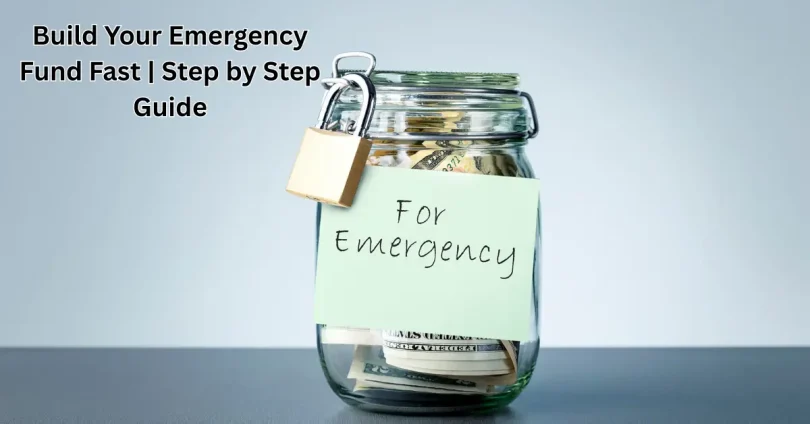
An emergency fund is a dedicated amount of money set aside specifically for unexpected expenses or financial emergencies. It is separate from your regular savings and is easily accessible without penalties. The goal is to ensure you do not rely on credit cards, loans, or borrowing from others when an unforeseen expense arises.
A step by step guide to emergency fund is essentially a roadmap that helps you create this financial safety net. It involves planning, setting realistic goals, budgeting, and consistently saving money. Unlike general savings, an emergency fund is strictly for emergencies — it should not be used for vacations, shopping, or non-essential spending.
By following a structured approach, you can gradually build an amount that covers several months of living expenses. The exact amount varies depending on your lifestyle, income, and responsibilities, but the principle remains the same: prepare for the unexpected before it becomes a financial crisis.
Why is a Step by Step Guide to Emergency Fund Important?
An emergency fund is a cornerstone of financial security. Here are some reasons why it is crucial:
- Financial Safety Net: Life is unpredictable. Emergencies like medical bills, car breakdowns, or sudden job loss can happen anytime. An emergency fund ensures you have money ready when you need it most.
- Avoid Debt: Without a financial cushion, people often rely on high-interest loans or credit cards, which can lead to long-term debt. A proper emergency fund reduces this risk.
- Peace of Mind: Knowing that you have funds set aside for emergencies reduces stress and anxiety, allowing you to make better financial decisions.
- Flexibility: An emergency fund gives you the flexibility to handle life changes, such as moving to a new city, pursuing education, or dealing with family emergencies, without financial strain.
- Promotes Saving Habit: Building an emergency fund encourages consistent saving habits and better money management, which benefits long-term financial health.
In short, having a step by step guide to emergency fund ensures that you are financially prepared, reduces dependency on loans, and helps you live with confidence knowing you are protected against unexpected setbacks.
Detailed Step-by-Step Guide
Building an emergency fund may seem daunting, but breaking it into clear steps makes it achievable. Here’s a complete guide:
Step 1: Assess Your Financial Situation
Before you start saving, understand your current financial state:
- Calculate your monthly income and expenses.
- Identify essential expenses such as rent, utilities, groceries, transportation, and insurance.
- Determine non-essential spending that can be minimized or cut temporarily.
This assessment helps you figure out how much you can realistically save each month toward your emergency fund.
Step 2: Set a Realistic Goal
Decide how much your emergency fund should cover. A general recommendation is:
- 3–6 months of essential expenses for single individuals.
- 6–12 months of essential expenses for families with dependents or irregular income.
Example: If your monthly essential expenses are $1,000, aim for at least $3,000–$6,000 in your emergency fund.
Step 3: Open a Separate Savings Account
Keep your emergency fund separate from your regular checking or savings account. Benefits include:
- Avoiding temptation to spend it on non-emergencies.
- Easier tracking of your progress.
- Some banks offer high-yield savings accounts, allowing your money to grow with interest.
Step 4: Budget and Save Consistently
Create a monthly budget that prioritizes emergency fund contributions. Tips include:
- Allocate a fixed percentage of your income (e.g., 10–20%) directly to your emergency fund.
- Use automatic transfers to ensure consistency.
- Reduce non-essential expenses like dining out, subscriptions, or luxury shopping temporarily.
Example: If you can save $200 per month, you can reach a $3,000 emergency fund in 15 months.
Step 5: Start Small if Needed
Even small contributions add up over time. You can start with just $50 or $100 per month. What matters is consistency, not the initial amount.
Step 6: Increase Savings Gradually
As your income grows or expenses decrease, increase your monthly contributions. Consider:
- Saving bonuses, tax refunds, or extra income directly to your emergency fund.
- Adjusting your budget to allocate more as you pay off debts or reduce other expenses.
Step 7: Keep Your Emergency Fund Accessible
Your emergency fund should be liquid, meaning you can access it quickly in emergencies. Avoid investing it in risky assets like stocks or cryptocurrency for this purpose.
Step 8: Review and Adjust Regularly
- Reassess your fund annually to ensure it matches your current expenses and lifestyle.
- Adjust contributions if your essential expenses increase.
- Make sure you are maintaining the fund rather than depleting it for non-emergencies.
Benefits of a Step by Step Guide to Emergency Fund
Creating an emergency fund provides several advantages:
- Financial Security: Covers unexpected expenses without relying on credit.
- Stress Reduction: Provides peace of mind in uncertain situations.
- Debt Avoidance: Prevents high-interest debt from emergencies.
- Flexibility in Life Decisions: Easier to handle changes like career moves or medical needs.
- Promotes Discipline: Encourages consistent saving habits.
- Foundation for Wealth Building: Once the fund is established, you can focus on investments and long-term goals.
Disadvantages / Risks
Although highly beneficial, emergency funds have a few limitations:
- Low Returns: High-liquidity accounts may offer minimal interest compared to investments.
- Temptation to Spend: Without discipline, the fund may be used for non-emergencies.
- Opportunity Cost: Money in an emergency fund could potentially earn higher returns if invested elsewhere.
- Insufficient Funds: Underestimating monthly expenses may leave you underprepared.
Common Mistakes to Avoid
Avoiding these mistakes ensures your emergency fund remains effective:
- Using it for non-emergencies like vacations or luxury items.
- Not setting a clear goal for the amount needed.
- Saving inconsistently without a fixed plan or automatic transfers.
- Keeping it in accounts that are hard to access during emergencies.
- Ignoring inflation and rising expenses over time.
- Stopping contributions once a small amount is saved — consistency is key.
FAQs
1. How much should I save in an emergency fund?
Experts recommend saving 3–6 months of essential expenses for individuals and 6–12 months for families or irregular incomes. The exact amount depends on your lifestyle and financial responsibilities.
2. Where should I keep my emergency fund?
Keep it in a separate, easily accessible account, such as a high-yield savings account or a money market account. Avoid investments with risk like stocks for emergency savings.
3. Can I start with a small emergency fund?
Yes, even saving $50–$100 per month is a good start. Consistency matters more than the initial amount. Over time, your fund will grow to cover larger expenses.
4. How do I avoid using my emergency fund unnecessarily?
Set a strict rule that the fund is only for unexpected emergencies. Track your spending, and use separate accounts for regular savings or leisure expenses.
5. Should I include debt in my emergency fund calculations?
No, your emergency fund should cover essential living expenses, not existing debt. However, having an emergency fund can prevent adding new debt during unexpected events.
6. How often should I review my emergency fund?
Review your emergency fund annually or whenever your expenses change significantly. Adjust your savings goals to keep pace with lifestyle changes and inflation.
7. Can I build an emergency fund if I have a low income?
Absolutely. Start small, prioritize essential expenses, reduce non-essential spending, and use automatic transfers to build the fund gradually. Even small contributions make a difference over time.
8. What if I use my emergency fund?
If you use it, make a plan to replenish it as soon as possible. The goal is to maintain a safety net at all times, so don’t delay rebuilding.
Expert Tips & Bonus Points
- Automate Savings: Set automatic transfers to your emergency fund account to avoid forgetting or skipping months.
- Use Windfalls Wisely: Direct bonuses, tax refunds, or extra income into your emergency fund to boost it faster.
- Track Expenses: Regularly monitor spending to find more ways to save and contribute more to your fund.
- Avoid High-Risk Investments: Keep emergency money safe and liquid, even if returns are lower.
- Reassess Regularly: Life changes, inflation, and income growth may require updating your fund goals.
- Create Multiple Tiers: Consider having a small immediate-access fund and a larger fund for major emergencies.
Conclusion
A step by step guide to emergency fund is more than just a saving plan — it is a crucial financial strategy that protects you from unexpected setbacks. By assessing your finances, setting realistic goals, budgeting wisely, and saving consistently, you can create a safety net that ensures peace of mind and financial stability.
The benefits are clear: reduced stress, avoidance of debt, financial flexibility, and the development of disciplined saving habits. While there are minor disadvantages, the advantages far outweigh them, especially when you follow a structured plan. Avoid common mistakes, review your fund regularly, and use expert strategies to make your emergency fund work for you.