
Introduction
Managing money as a student can feel confusing, stressful, and sometimes overwhelming. You may receive pocket money, part time income, or a small allowance, yet it often disappears faster than expected. Many students want to save, avoid debt, and still enjoy their life, but they do not know where to start. This is exactly why a personal finance checklist for students is so important. It gives you a clear path to follow and helps you build smart money habits step by step.
In simple words, personal finance is about how you earn, spend, save, and plan your money. When you learn these skills early, you avoid common financial mistakes later in life. Students who manage money wisely feel more confident, independent, and prepared for real world challenges. They also develop discipline and better decision making skills.
What is Personal Finance Checklist for Students?
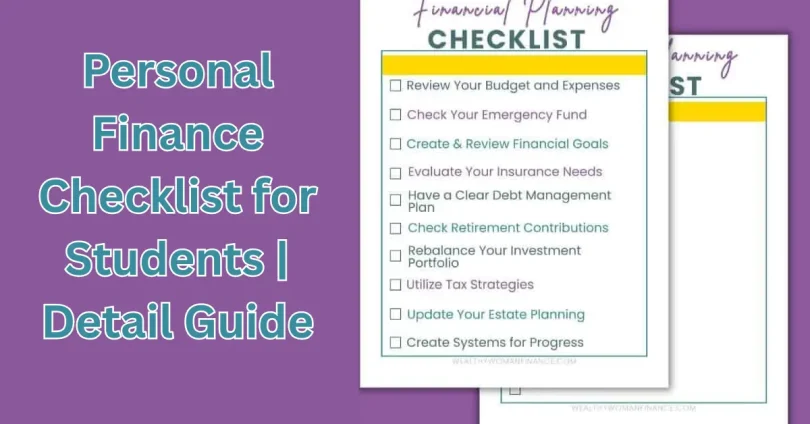
A personal finance checklist for students is a simple list of money related tasks and habits that help students manage their finances better. It works like a roadmap that guides you on what to do with your money and when to do it. Instead of guessing or reacting to problems, you follow a clear plan.
This checklist usually includes budgeting, saving, spending wisely, avoiding unnecessary debt, and planning for future expenses. It is not about being rich or cutting all fun from your life. It is about balance, awareness, and control.
For students, money often comes from limited sources. Because of this, every small decision matters. A personal finance checklist for students helps you make smarter choices with limited funds. It also teaches responsibility and discipline.
Think of it as a daily and monthly guide that keeps you on track. When followed consistently, it reduces financial stress and builds confidence. Over time, these habits become natural and help you succeed beyond student life.
A personal finance checklist for students is important because it prepares you for financial independence. Many adults struggle with money because they never learned the basics early. Students who start now have a big advantage later.
Money problems can affect mental health, academic focus, and relationships. When finances are out of control, stress increases. A clear checklist helps you stay calm and organized.
This checklist also helps you avoid debt traps. Credit cards, loans, and borrowing can look attractive but become dangerous without planning. Learning early helps you use money tools wisely.
Another key reason is habit building. Financial habits formed during student life often last a lifetime. A strong personal finance checklist for students helps you build habits that support long term success.
Detailed Step-by-Step Guide
Step 1: Know Your Income
The first step in any personal finance checklist for students is understanding your income. This includes pocket money, allowances, scholarships, part time jobs, or freelancing income.
Write down how much money you receive each month. Be honest and realistic. Even small amounts matter when tracked properly.
Knowing your income helps you plan spending without guessing. It also prevents overspending and borrowing.
Step 2: Track Your Expenses
Expense tracking is one of the most powerful habits in student budgeting. Write down everything you spend money on, including snacks, transport, mobile data, and entertainment.
You can use a notebook or a simple spreadsheet. The goal is awareness, not perfection.
Tracking expenses shows where your money actually goes. Many students are surprised by small daily expenses that add up.
Step 3: Create a Simple Budget
A budget is a plan for your money. It tells your money where to go instead of wondering where it went.
Divide your income into categories such as needs, wants, and savings. Needs include food, transport, and books. Wants include entertainment and hobbies.
This step in the personal finance checklist for students helps you stay balanced and avoid guilt spending.
Step 4: Build a Saving Habit
Saving is not about big amounts. It is about consistency. Even saving a small amount regularly builds discipline.
Decide a fixed amount or percentage to save each month. Treat savings like a non negotiable expense.
Savings help you handle emergencies without stress. This habit is a core part of money management for students.
Step 5: Set Financial Goals
Goals give direction to your financial actions. Short term goals may include buying a gadget or funding a trip. Long term goals may include education or business plans.
Write your goals clearly and attach a timeline. This makes saving easier and more meaningful.
Goal setting is an essential part of a personal finance checklist for students because it keeps you motivated.
Step 6: Avoid Unnecessary Debt
Debt can limit your freedom if not managed carefully. Avoid borrowing for non essential items.
If you must borrow, understand the terms fully. Know how much you must repay and when.
Learning this early protects you from future financial trouble.
Step 7: Learn Basic Financial Skills
Spend time learning about budgeting, saving, and basic investing. Knowledge protects you from mistakes.
Read simple finance articles or attend workshops if available.
Education strengthens every part of your personal finance checklist for students.
Step 8: Review Monthly Progress
At the end of each month, review your income, expenses, and savings. Check what worked and what did not.
Adjust your plan as needed. Flexibility is important.
This review step keeps your checklist active and effective.
Benefits of Personal Finance Checklist for Students
- Helps control spending habits
- Reduces money related stress
- Builds saving discipline early
- Improves decision making skills
- Encourages financial independence
- Prepares for adult responsibilities
- Supports long term financial success
Disadvantages / Risks
- Requires consistency and discipline
- Can feel restrictive at first
- Needs regular review and adjustment
- May be ignored during busy periods
- Results are slow if expectations are unrealistic
Common Mistakes to Avoid
Many students start managing money but stop due to common mistakes. Avoiding these errors improves results.
One major mistake is not tracking expenses. Without tracking, budgets fail.
Another mistake is setting unrealistic saving goals. Start small and increase gradually.
Ignoring small expenses is also risky. Small costs add up quickly.
Some students avoid budgeting because they think it limits freedom. In reality, it gives more control.
Not reviewing progress is another error. Monthly reviews help you improve.
Avoid comparing your finances with others. Everyone’s situation is different.
FAQs
What is the best age to start personal finance planning?
The best age is as early as possible. Student life is ideal because habits form easily during this time.
How much should a student save monthly?
There is no fixed amount. Saving even a small percentage consistently is effective.
Is budgeting difficult for students?
Budgeting is simple when done correctly. Start with basic categories and adjust as needed.
Can students invest money?
Students can learn about investing but should start small and focus on education first.
How do I control impulse spending?
Track expenses, set limits, and wait before making non essential purchases.
What if my income is irregular?
Create a flexible budget based on average income and prioritize essentials.
Expert Tips & Bonus Points
Automate savings if possible. This removes temptation.
Use cash for daily expenses to increase awareness.
Review goals regularly to stay motivated.
Reward yourself occasionally for progress.
Stay patient. Financial growth takes time.
Keep learning. Knowledge strengthens financial confidence.
Conclusion
Managing money as a student does not have to be complicated or stressful. With the right approach, even a small income can be handled wisely. A personal finance checklist for students provides clear direction and removes confusion from money decisions. It helps you understand your income, control spending, build savings, and plan for the future.
The habits you build today shape your financial life tomorrow. When students learn budgeting, saving, and goal setting early, they avoid many common financial problems. This checklist is not about perfection. It is about progress, consistency, and awareness.