

If you are planning to invest in the Indian stock market, the Bajaj Housing Finance share price is an important topic to follow. Bajaj Housing Finance Limited is a housing finance company that provides home loans and other property-related financial services. Understanding its share price, financial performance, business growth, and investment risks can help you make a more informed decision.
In this article, we will discuss the company’s business, share price performance, factors affecting its stock, future outlook, and important points to consider before investing.
Bajaj Housing Finance Share Price Today
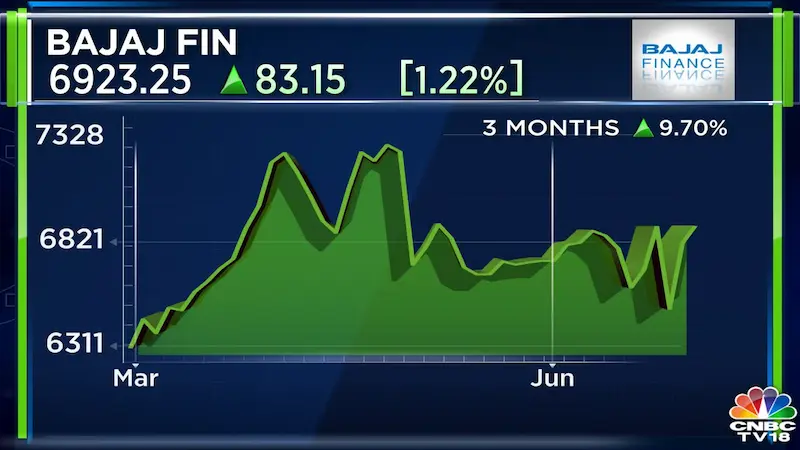
The Bajaj Housing Finance share price changes according to market demand, company performance, investor sentiment, and broader economic conditions.
The latest closing price mentioned in the previous market update was approximately ₹78.58 per share on October 26, 2026. Since stock prices change regularly, you should verify the latest market price before making an investment decision.
| Stock Information | Details |
| Company Name | Bajaj Housing Finance Limited |
| NSE Symbol | BAJAJHFL |
| BSE Code | 544252 |
| Sector | Housing Finance |
| Industry | Financial Services |
| Stock Exchange | NSE and BSE |
| Share Price | Check the latest market quote |
The share price alone does not tell you whether a stock is a good investment. You should also review the company’s financial results, valuation, profitability, and future growth opportunities.
What Is Bajaj Housing Finance Limited?
Bajaj Housing Finance Limited is an Indian financial services company that specialises in housing finance and property-related lending. It serves individual customers, businesses, and property developers.
The company operates in a sector that plays an important role in helping people purchase homes and finance property-related needs.
Its major business activities include:
- Home loans for purchasing residential properties.
- Loans for constructing or renovating homes.
- Loans against property.
- Financing for property developers.
- Financing for selected commercial property requirements.
The company’s performance depends on housing demand, interest rates, borrowing costs, loan repayments, and the overall economic environment.
Bajaj Housing Finance Share Price Performance
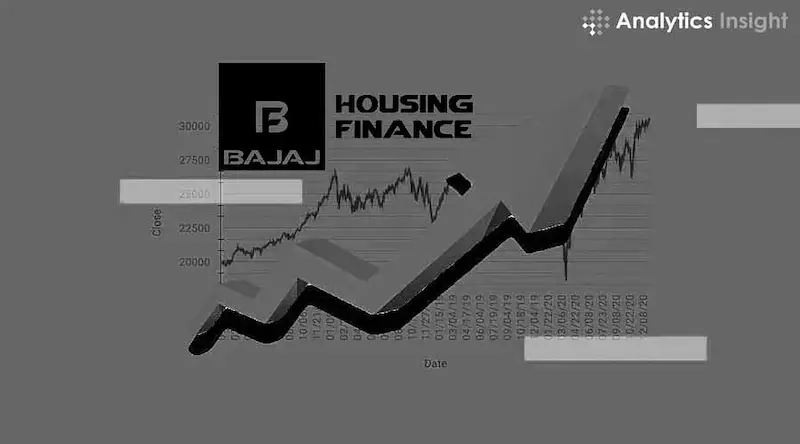
The stock’s performance can be evaluated by looking at its recent trading range, historical price movements, and financial results.
The share price has traded below its 52-week high in recent months. This may reflect changing market expectations, valuation adjustments, and investor sentiment. However, a decline from a previous high does not automatically mean that a stock is undervalued.
When analysing the stock, consider the following factors:
Short-Term Price Movement
Short-term price movements may be influenced by quarterly earnings, market sentiment, interest rate expectations, and buying or selling activity.
If the share price rises for a few trading sessions, it does not necessarily mean that a long-term upward trend has started.
Long-Term Performance
Long-term investors should examine revenue growth, profitability, loan portfolio expansion, and asset quality. These factors help determine whether the company’s business is improving over time.
Trading Volume
Trading volume indicates how many shares are traded during a particular period. A significant increase in volume may suggest greater investor interest, but it cannot independently predict future price movements.
Latest Financial Results of Bajaj Housing Finance
Financial performance is one of the most important factors to consider when evaluating the Bajaj Housing Finance share price.
In the second quarter of FY2027, covering July to September 2026, the company reported the following results:
| Financial Metric | Q2 FY2027 |
| Total Income | ₹3,251 crore |
| Profit After Tax | ₹757 crore |
| Year-on-Year Profit Growth | Approximately 18% |
| Year-on-Year Income Growth | Approximately 18.3% |
| Assets Under Management | ₹1.58 lakh crore |
| Year-on-Year AUM Growth | Approximately 25% |
These results indicate that the company continued to expand its lending business while increasing its profitability.
Assets under management, or AUM, represent the total value of assets the company manages through its lending activities. Growth in AUM can indicate stronger business activity, although investors should also consider the quality and profitability of those loans.
It is important to monitor future quarterly results to determine whether this growth remains sustainable.
You may also like to read this:
Jio Finance Share Price: Latest News And Market Trends
Jio Finance Share: Is It Good For Long-Term Investment?
Ujjivan Small Finance Bank: Complete Banking Guide
Google Finance: A Complete Guide For Beginners
Factors That Can Affect Bajaj Housing Finance Share Price
Several business and economic factors can influence the company’s stock price.
1. Interest Rates
Interest rates directly influence the housing finance industry. Changes in interest rates can affect customer demand for home loans, the company’s borrowing costs, and its profit margins.
Lower borrowing costs may support lending demand, while higher funding costs can put pressure on profitability.
2. Housing Market Demand
Demand for residential properties is an important driver of housing finance companies.
When more people purchase homes, demand for home loans may increase. On the other hand, a slowdown in property purchases can affect loan growth.
3. Loan Portfolio Growth
Investors often monitor AUM to understand whether the company’s lending business is expanding.
Consistent growth may support future revenue, but rapid expansion must be balanced with responsible lending and effective credit checks.
4. Asset Quality
Asset quality indicates how effectively a lender manages repayments and credit risk.
If more customers fail to repay their loans, the company may need to set aside additional funds for potential losses. This can reduce profitability and affect investor confidence.
5. Competition
Bajaj Housing Finance competes with banks and other housing finance companies. Competitive interest rates, customer service, lending policies, and product offerings can influence its ability to attract customers.
6. Overall Stock Market Conditions
Broader market trends also affect the share price. Economic uncertainty, changes in investor sentiment, and movements in financial sector stocks can influence the company’s valuation.
Is Bajaj Housing Finance Share a Good Investment?
Whether Bajaj Housing Finance is a good investment depends on your financial goals, risk tolerance, investment horizon, and the price at which you purchase the stock.
The company’s recent earnings and AUM growth provide useful information for investors evaluating its business prospects. However, strong financial results do not guarantee that its share price will increase.
Before investing, consider the following points:
- Business growth: Review whether income, profits, and AUM continue to increase.
- Valuation: Compare the current price with earnings, book value, and similar companies.
- Profitability: Examine return on equity, net interest income, and profit margins.
- Asset quality: Monitor non-performing assets and loan-loss provisions.
- Investment horizon: Decide whether the stock suits your short-term or long-term strategy.
- Risk management: Avoid investing money you cannot afford to lose.
Comparing Bajaj Housing Finance with other listed housing finance companies can also help you understand its competitive position.
Bajaj Housing Finance Share Price Target
Many investors search for the Bajaj Housing Finance share price target to estimate where the stock might trade in the future.
However, no price target can guarantee future performance. Analysts may reach different conclusions because they use different assumptions about earnings, business growth, interest rates, and valuation.
You can evaluate three possible scenarios:
Bullish Outlook
The stock could benefit if the company maintains strong loan growth, improves profitability, controls credit risks, and continues to deliver healthy financial results.
Neutral Outlook
The share price could move within a range if business growth remains steady but investors are uncertain about valuation or wider market conditions.
Bearish Outlook
The stock could face pressure if earnings weaken, borrowing costs increase, loan quality deteriorates, or investors become less willing to pay a premium for housing finance companies.
These scenarios are illustrative, not predictions. Always review current market data and financial results before making an investment decision.
How to Check the Latest Bajaj Housing Finance Share Price
If you want to track the stock regularly, follow these simple steps:
- Open a recognised Indian stock market platform.
- Search for Bajaj Housing Finance Limited.
- Enter the NSE symbol BAJAJHFL or the BSE code 544252.
- Check the current price, daily high and low, trading volume, and historical chart.
- Review the company’s latest quarterly results and financial announcements.
- Compare its valuation with similar companies before investing.
Make sure you check the date and time of the displayed price because some platforms provide delayed quotes.
Risks of Investing in Bajaj Housing Finance Shares
Like all equity investments, Bajaj Housing Finance shares carry risks.
Interest rate risk: Changes in borrowing costs can affect profit margins.
Credit risk: Customers may fail to repay their loans, leading to higher losses.
Valuation risk: Even a growing company can deliver poor investment returns if its shares are purchased at an excessively high valuation.
Market risk: A broader stock market decline can push the share price lower.
Competition risk: Strong competition from banks and other lenders may affect growth and profitability.
Understanding these risks can help you make more balanced investment decisions.
Frequently Asked Questions (FAQs)
1. What is the Bajaj Housing Finance share price today?
The previously reported closing price was approximately ₹78.58 on October 26, 2026. Check a live market platform for the latest available price before trading.
2. What is the NSE symbol of Bajaj Housing Finance?
The NSE symbol is BAJAJHFL, and the BSE code is 544252.
3. What is the 52-week high and low of Bajaj Housing Finance?
The stock’s reported 52-week range was approximately ₹72.60 to ₹112.40 in the October 2026 market data. The range changes as new trading sessions are completed.
4. Why does the Bajaj Housing Finance share price fluctuate?
The share price can fluctuate because of financial results, interest rates, housing demand, loan growth, asset quality, competition, and broader stock market conditions.
5. Is Bajaj Housing Finance suitable for long-term investment?
It may be worth evaluating for a long-term portfolio, but investors should assess the company’s valuation, financial strength, growth prospects, and risks before investing.
Conclusion
The Bajaj Housing Finance share price is worth monitoring if you are interested in India’s housing finance sector. The company’s second-quarter FY2027 results showed growth in income, profit, and assets under management, providing useful information for investors evaluating its business performance.
However, before buying the stock, look beyond its current market price. Examine its valuation, earnings growth, loan quality, competition, and long-term prospects. A careful approach can help you make a more informed investment decision.
Remember that stock market investments involve risk, and past performance does not guarantee future returns.