
Sponsored Article
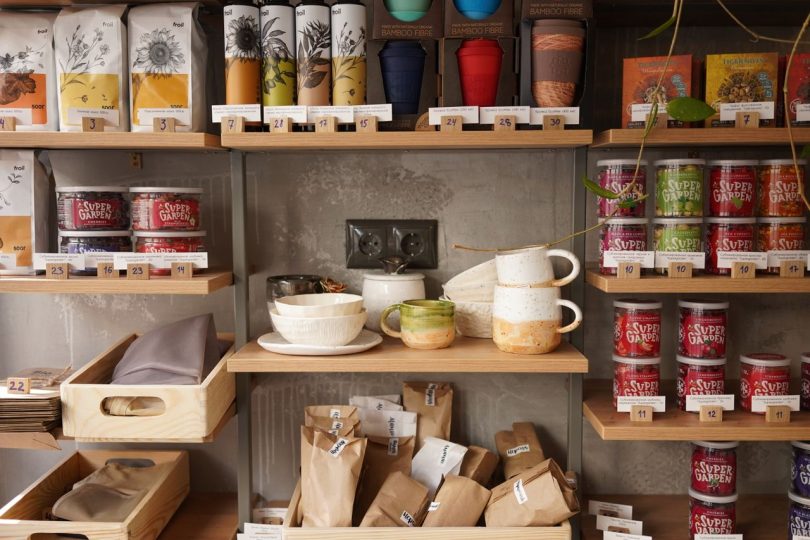
You know the shop sells something better than the corner-shop aisle, and then the basket opens and the categories blur. What a health food shop online really keeps in stock is narrower than a supermarket and wider than a chemist’s counter. Go shelf by shelf and the basket fills with choices you can explain!
What the shelves actually hold:
- Store cupboard staples: ambient dry goods, from grains and flours to oils and jams.
- Food supplements: vitamins, minerals and plant extracts in dose form, sold as food under UK law.
- Free-from lines: gluten-free, vegan, keto and low-sugar products with measured thresholds behind the wording.
- Rarely anything fresh: chilled counters and bakery need a shop with a fridge.
What does a health food shop sell?
Two aisles run side by side, one holding dry goods a household cooks with. The other holds food supplements in dose form: capsules, tablets, powders and drops, which UK law treats as food sold in a measured portion. Between them sit the free-from lines.
Dose form separates that second aisle from the food shelf: the same plant can be a loose powder in one section and a capsule with a stated daily portion in another. A dose-form pack must call itself a food supplement, state the portion and warn against exceeding it.
Wholefoods and store cupboard staples
Ambient stock is what a mail-order shelf is built on: sealed packs that keep for months at room temperature and travel without a cold chain. Grains, flours, pulses, oils, jars and teas all belong there, which is why one order covers a whole cupboard.
A weekly order tends to reach for:
- Grains and pulses: buckwheat, oats, quinoa, rice and lentils.
- Flours and pasta: wholemeal, spelt, chickpea and legume varieties.
- Oils, spreads and jams: cold-pressed oils, nut butters and preserves.
- Teas and spices: light items that barely move the parcel weight.
Free-from and speciality products
Front-of-pack wording rests on a legal measurement: gluten-free means 20 ppm or less, a tested limit for a coeliac household, while “may contain” covers traces only. Vegan, keto and low-sugar lines sit alongside the gluten-free shelf, as flours, pasta, mixes and spreads.
The free-from shelf comes as sealed packs, because a mail-order health food store keeps no chilled counter, no bakery and no loose produce. Prescription-only medicines stay behind a pharmacy counter, the line between a health food shop and a chemist.
Which supplements and dry goods make sense to order online?
Light, long-dated and hard-to-find items travel best by post, and a monthly order is easy to plan around them. People buy health food online because the local shelf rarely carries the exact version they need: a single-nutrient capsule or a flour milled from one grain.
Items that repay the postage:
- Sealed and long-dated: capsules, powders, dried goods and jars.
- Hard to find locally: speciality flours and single-nutrient supplements.
- Reordered by the diet: free-from staples bought in the same form every month.
4ecoshop: supplements next to everyday food
Food and supplements can end up in two baskets: groceries in one place, capsules in another. 4ecoshop keeps both sides of the catalogue in one health food shop online, so a bag of buckwheat and a bottle of vitamin D leave as a single order. A V, K, GF, SF or BIO marker appears on the listing it applies to, and orders leave 4ecoshop’s UK warehouse.
What do you check before ordering from health food shops online?
Three things settle the choice: what is in the pack, what the label promises and how the parcel travels. You read a category name for the theme of a shelf and the product page for the form. A shelf called superfoods holds gummies, shots and drops in dose form.
You pay by weight before item count: flours, oils and glass jars add up quickly, while capsules barely register. Check the best-before dates before ordering in bulk and where the parcel ships from: a UK warehouse means domestic delivery times.
Ingredient lists and certification
Ingredients are listed in order of weight, so the first two entries show what you are mostly paying for, and a certificate is visible on the item it covers. Organic is one of those certificates: it stands for at least 95% certified agricultural ingredients.
Label phrases that stand for a measured amount:
- High fibre: at least 6 g of fibre per 100 g; “source of fibre” means at least 3 g.
- Source of protein: at least 12% of the energy from protein, 20% for “high protein”.
- Low sugar: no more than 5 g of sugars per 100 g; “sugar-free” means 0.5 g or less.
A health food shop online: what separates a good one from a shelf of boxes
The difference sits in the detail published before you pay. A good one names the certification behind a claim, the dose form and the portion. A shelf of boxes gives you a product name and a photograph, and the questions you started with are still yours to answer.
Frequently asked questions about a health food shop online
What is the difference between a health food shop and a chemist?
Go to a chemist for a prescription and to a health food shop for food, supplements and free-from staples. Ask a pharmacist before mixing a prescription with supplements.
Are supplements from a health food store regulated in the UK?
Yes – they sit under food law, which sets the rules for their safety, composition and labelling.
Do health food shops online sell fresh products?
The shelves hold sealed goods that keep for months, so bring the dry half of the shopping list here.
How do you compare two similar products in a health food shop online?
Line the two labels up on the same unit: ingredients in order of weight, the figure per 100 g or per portion, and the pack size behind the price.
What should a good product page in a health food shop contain?
Enough to reorder without looking elsewhere: full ingredients with allergens, the weight, the producer, storage advice and, for a supplement, the daily portion.